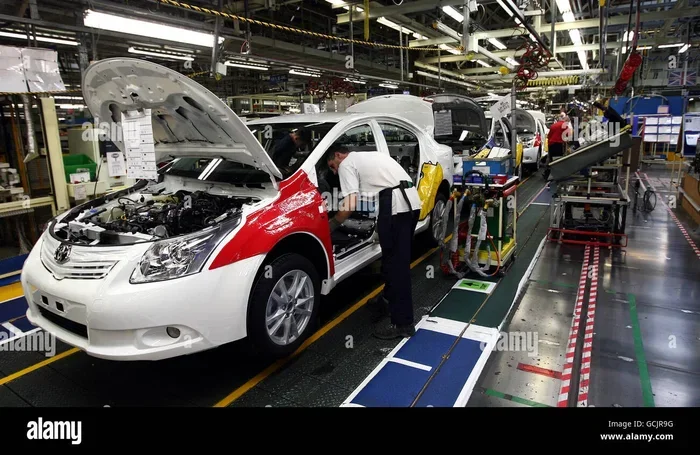
Where Is a Toyota Made Find Out All the Factory Locations
Where is a Toyota made? Toyota vehicles are produced across dozens of manufacturing plants in Japan, the United States, and many other countries. The company operates over 30 factories globally, with major hubs in Toyota City, Japan, and several locations across the US, including Kentucky, Texas, and Mississippi. Each factory follows Toyota’s famous production system to build reliable cars, trucks, and SUVs for customers around the world.
If you have ever wondered where is a Toyota made, you are not alone. Toyota is one of the largest carmakers in the world, and its vehicles roll off assembly lines in many countries. From small compact cars to powerful trucks, Toyota builds a wide range of vehicles that people drive every single day.
The answer to where is a Toyota made is more complex than you might think. Toyota does not rely on just one factory. Instead, the company operates a massive network of manufacturing plants spread across Asia, North America, Europe, Africa, and South America. Each plant plays a specific role in getting Toyota vehicles to customers around the globe.
In this article, we will take a deep dive into the world of Toyota manufacturing. We will explore the company’s roots in Japan, look at its US operations, visit factories in other countries, and even walk through how a Toyota vehicle goes from raw materials to a finished car on a dealer lot. Whether you are a car enthusiast or just curious about where your daily driver comes from, this guide has everything you need to know.
Key Takeaways
- Toyota builds cars in Japan: The company’s home base in Toyota City, Aichi Prefecture, houses some of its most important production plants and serves as the heart of global manufacturing.
- Multiple US plants produce Toyota vehicles: Toyota operates factories in Kentucky, Texas, Mississippi, and Indiana, making popular models like the Camry, RAV4, and Tacoma right on American soil.
- Toyota has a massive global footprint: Beyond Japan and the US, Toyota runs manufacturing facilities in Thailand, Indonesia, Mexico, the UK, South Africa, and many other countries.
- The Toyota Production System drives quality: Every factory uses the same lean manufacturing principles that prioritize efficiency, waste reduction, and high-quality output.
- Factory tours are available in some locations: Visitors can explore certain Toyota plants and learn about the assembly process firsthand.
- Local plants create thousands of jobs: Toyota’s international factories employ tens of thousands of workers and support local economies wherever they operate.
- Where a Toyota is made depends on the model: Different vehicles are built at different plants based on demand, model type, and regional distribution needs.
📑 Table of Contents
Toyota’s Global Manufacturing Overview
Toyota Motor Corporation, often called TMC, is headquartered in Toyota City, Aichi Prefecture, Japan. The company was founded by Kiichiro Toyoda in 1937. From the very beginning, Toyota focused on building cars that were reliable, efficient, and affordable. Today, Toyota is the world’s largest automaker by production volume.
The company’s global manufacturing strategy is built on a simple idea. Toyota builds vehicles close to where they will be sold. This approach reduces shipping costs, lowers carbon emissions, and allows the company to respond quickly to local market demands. As a result, Toyota has established manufacturing facilities in more than 25 countries and regions.
How Many Toyota Factories Are There?
Toyota operates roughly 30 major manufacturing facilities worldwide. These plants produce everything from small passenger cars to full-size pickup trucks and commercial vehicles. The company also has numerous smaller plants, research centers, and testing facilities that support the main production sites. Together, these locations form a global manufacturing network that is truly impressive in scale.
Each Toyota factory follows the same core principles. These principles come from the Toyota Production System, or TPS. TPS emphasizes continuous improvement, respect for people, and the elimination of waste. This system has become a model for manufacturers around the world, not just in the automotive industry.
Why Does Toyota Build Cars in So Many Countries?
There are several reasons Toyota spreads its manufacturing across the globe. First, building cars locally helps the company avoid high import tariffs. Second, it creates jobs and strengthens relationships with local communities. Third, it allows Toyota to tailor vehicles to regional tastes and needs. For example, Toyota builds rugged trucks for markets that need them and fuel-efficient sedans for areas where gas prices are high.
Toyota Factories in Japan
Japan is the birthplace of Toyota, and it remains the company’s most important manufacturing hub. Toyota City in Aichi Prefecture is home to the company’s main headquarters and several major assembly plants. When you ask where is a Toyota made, Japan is always part of the answer.
Toyota City Plant and Tsutsumi Plant
The Tsutsumi Plant in Toyota City is one of the most famous Toyota facilities in the world. It produces the Toyota Crown, the Corolla, and the Lexus GS. The plant has been operating since 1961 and is a symbol of Toyota’s commitment to quality and innovation. Workers at Tsutsumi use advanced robotics alongside human craftsmanship to build every vehicle.
Another key facility in Toyota City is the Motomachi Plant. This plant focuses on building premium and performance vehicles, including the Lexus LFA and certain high-end Toyota models. The Motomachi Plant is known for its attention to detail and its strict quality control processes.
Other Important Japanese Plants
Toyota operates many other plants across Japan. The Miyata Plant in Fukuoka Prefecture produces the Yaris and other compact models. The Takaoka Plant in Toyota City builds the Corolla and the Lexus RX. The Fujimatsu Plant focuses on engines and transmissions. Each plant has a specialized role in the Toyota production network.
Japan remains central to Toyota’s identity. Even as the company expands globally, its Japanese plants set the standard for quality and efficiency. The skills and traditions developed in Toyota City have been shared with factories around the world.
Toyota Plants in the United States
Toyota has a strong presence in the United States. The company operates several major manufacturing plants across the country. These US plants produce some of the most popular Toyota models on the market today. If you are wondering where is a Toyota made for popular American models, the answer is often right here in the US.
Toyota Motor Manufacturing Kentucky
The Toyota plant in Georgetown, Kentucky is the largest Toyota manufacturing facility outside of Japan. It opened in 1988 and has become a cornerstone of the local economy. This plant produces the Toyota Camry, one of the best-selling sedans in America. It also manufactures the Lexus ES, a luxury sedan that competes with models from BMW and Mercedes-Benz.
The Kentucky plant employs thousands of workers and supports many more jobs in the surrounding community. It is a shining example of how Toyota’s manufacturing presence benefits local areas. The plant has won numerous awards for quality and safety over the years.
Toyota Motor Manufacturing Texas
Located in San Antonio, Texas, this plant builds the Toyota Tundra full-size pickup truck and the Tacoma, one of the most popular trucks in the US market. The Texas plant opened in 2006 and quickly became a major player in the American truck market.
The San Antonio plant is designed to be highly flexible. It can adjust production lines to meet changing demand for pickup trucks. This flexibility is a key part of the Toyota Production System and helps the plant stay efficient and responsive.
Toyota Motor Manufacturing Mississippi
The Blue Springs, Mississippi plant produces the Toyota Corolla for the North American market. This plant opened in 2011 and represents Toyota’s continued investment in the US manufacturing sector. It employs hundreds of local workers and contributes significantly to the economy of northeast Mississippi.
Toyota Motor Manufacturing Indiana
Located in Princeton, Indiana, this plant builds the Toyota Highlander and the Toyota Sienna minivan. It also produces the Lexus RX. The Indiana plant has been operating since 2000 and is a major source of these popular family vehicles.
Toyota Manufacturing in Other Countries
Toyota’s manufacturing reach extends far beyond Japan and the United States. The company has production facilities on virtually every continent. This global network allows Toyota to serve customers in diverse markets with vehicles that are built locally and tailored to regional needs.
Toyota in Thailand
Thailand is a major hub for Toyota in Southeast Asia. The company operates several plants in the country that produce pickup trucks, sedans, and SUVs for the Thai market and for export to other countries in the region. Toyota is the largest automaker in Thailand by a significant margin, and its Thai factories play a vital role in the country’s economy.
Toyota in Mexico
Toyota has manufacturing operations in Mexico, including a plant in Guanajuato that produces the Toyota Tacoma for the North American market. The Mexico plant benefits from close proximity to the US market and helps Toyota manage supply chain logistics more efficiently.
Toyota in the United Kingdom
Toyota’s Burnaston plant in Derbyshire, England, produces the Toyota Yaris and the Toyota Auris. This plant has been a major employer in the region and is known for its high production standards. It also exports vehicles to other European markets.
Toyota in South Africa, Indonesia, and Beyond
Toyota operates plants in South Africa, Indonesia, the Philippines, Malaysia, Pakistan, India, China, and many other countries. Each facility serves its local market and, in many cases, exports vehicles to neighboring countries. Toyota’s global manufacturing strategy ensures that the company can reach customers almost anywhere in the world.
Toyota’s Growing Presence in China
China is the world’s largest auto market, and Toyota has invested heavily in manufacturing there. The company operates joint ventures with local Chinese automakers to produce Toyota-branded vehicles. These partnerships allow Toyota to access the vast Chinese market while navigating local regulations and business practices.
How Toyota Vehicles Are Built
Understanding how a Toyota vehicle is built helps answer the question of where is a Toyota made on a deeper level. The process is fascinating and involves thousands of parts, hundreds of workers, and advanced technology.
The Toyota Production System
Every Toyota factory in the world follows the Toyota Production System. This system was developed over decades and is built on two main pillars: just-in-time production and jidoka. Just-in-time means parts arrive exactly when they are needed, reducing waste and storage costs. Jidoka means that any worker can stop the production line if they spot a problem, ensuring quality is never compromised.
From Stampings to Assembly
The manufacturing process begins with stamping. Large sheets of steel are pressed into body panels using massive presses. These panels are then welded together to form the vehicle’s body structure. The body is then painted and prepared for assembly.
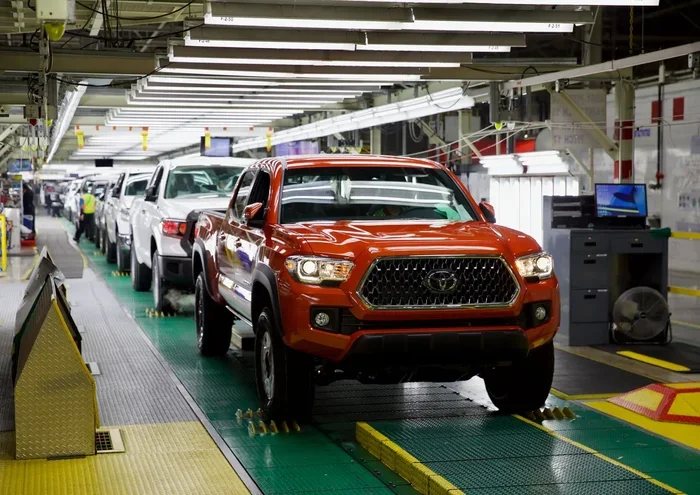
Next comes the assembly line. Workers and robots work together to install the engine, transmission, suspension, and other components. The vehicle moves slowly along the line, and each station adds specific parts. The process is carefully timed and monitored to ensure every vehicle meets Toyota’s strict quality standards.
Quality Control at Every Step
Quality control is at the heart of Toyota manufacturing. Every vehicle undergoes rigorous testing before it leaves the factory. Workers inspect welds, check paint quality, and test every system from brakes to electronics. Toyota’s commitment to quality is why cars from this brand are known for lasting for many years with minimal issues.
Engine and Parts Manufacturing
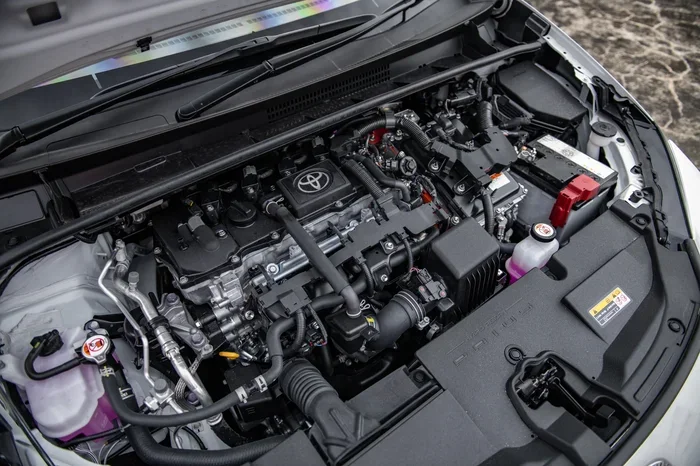
Toyota does not just assemble vehicles. The company also manufactures many of its own parts, including engines, transmissions, and electronic components. Toyota has dedicated engine plants in Japan and other countries. These facilities produce the powertrains that go into Toyota vehicles around the world.
Visiting Toyota Factory Locations
Did you know that some Toyota factories welcome visitors? Toyota offers factory tours at several locations around the world. These tours give fans and curious visitors a behind-the-scenes look at how their favorite vehicles are made.
Toyota City Tour in Japan
The Toyota Commemorative Museum of Industry and Technology in Nagoya, Japan, is a must-visit for anyone interested in Toyota manufacturing. The museum features exhibits on the history of Toyota, the production process, and the company’s innovations. Nearby, the Tsutsumi Plant offers limited tours that let visitors watch vehicles being assembled in real time.
US Factory Tours
Some Toyota plants in the United States also offer tours. The Georgetown, Kentucky plant has hosted visitor centers where guests can learn about Toyota’s manufacturing process and see vehicles being built. Tours may vary in availability, so it is best to check with the specific plant before planning a visit.
What You Will See on a Tour
On a typical factory tour, you will see the stamping, welding, painting, and assembly processes. You will learn about the Toyota Production System and how it keeps quality high. You may even get to watch robots and workers collaborate on the assembly line. It is a fascinating experience for car lovers of all ages.
Key Toyota Manufacturing Facts
Here are some quick facts that highlight the scale and scope of Toyota manufacturing:
- Toyota produces over 10 million vehicles per year across its global network of factories.
- The company operates in more than 25 countries and sells vehicles in over 170 countries and regions.
- Toyota’s Kentucky plant alone produces more than 500,000 vehicles per year, making it one of the most productive auto plants in North America.
- The Toyota Production System has been adopted by manufacturers worldwide, from healthcare to electronics to food production.
- Toyota invests billions of dollars annually in research, development, and manufacturing infrastructure to stay at the forefront of the auto industry.
- Toyota’s global workforce exceeds 370,000 employees, not counting the many more people employed by suppliers and dealership networks.
Conclusion
So, where is a Toyota made? The answer is everywhere. Toyota builds its vehicles in Japan, the United States, Thailand, Mexico, the United Kingdom, and many other countries around the world. Each factory follows the same high standards of quality and efficiency that have made Toyota one of the most trusted car brands on the planet.
Whether you drive a Camry built in Kentucky, a Tacoma built in Texas, or a Corolla built in Japan, you can be confident that your Toyota was crafted with care and precision. The company’s global manufacturing network ensures that Toyota vehicles are built close to the people who drive them, supporting local economies and delivering quality on every continent.
Next time someone asks you where is a Toyota made, you will have a complete and detailed answer. Toyota’s manufacturing story is one of innovation, dedication, and a relentless focus on quality. It is a story that continues to unfold at factories around the world every single day.
Frequently Asked Questions
Where is the main Toyota factory located?
The main Toyota factory is located in Toyota City, Aichi Prefecture, Japan. This is where the company was founded and where its headquarters remain. The Tsutsumi and Motomachi plants in Toyota City are among the most important manufacturing facilities in the Toyota network.
Which Toyota models are made in the USA?
Several popular Toyota models are made in the United States. These include the Camry (Kentucky), the Camry Hybrid (Kentucky), the Lexus ES (Kentucky), the Toyota Tundra (Texas), the Toyota Tacoma (Texas), the Toyota Corolla (Mississippi), the Toyota Highlander (Indiana), and the Toyota Sienna (Indiana). Each plant focuses on specific models based on regional demand and production capacity.
How many Toyota factories are there worldwide?
Toyota operates approximately 30 major manufacturing facilities across more than 25 countries. These plants range from large assembly operations in Japan and the US to smaller facilities in emerging markets. The exact number can vary as Toyota occasionally opens new plants or consolidates existing operations.
Can you visit a Toyota factory?
Yes, some Toyota factories offer tours to visitors. The Toyota Commemorative Museum in Nagoya, Japan, and the Tsutsumi Plant in Toyota City are popular destinations for factory tours. In the US, the Georgetown, Kentucky plant has hosted visitors, though availability may change. It is always best to check with the specific plant before planning a visit.
Why does Toyota build cars in so many different countries?
Toyota builds cars in multiple countries to reduce shipping costs, avoid import tariffs, create local jobs, and tailor vehicles to regional preferences. By manufacturing vehicles close to where they will be sold, Toyota can respond more quickly to market changes and serve customers more efficiently. This strategy also helps the company comply with local regulations and trade agreements.
What is the Toyota Production System and why does it matter?
The Toyota Production System is a manufacturing philosophy developed by Toyota over many decades. It focuses on eliminating waste, improving efficiency, and ensuring quality at every step of the production process. The system has been adopted by manufacturers around the world and is widely regarded as one of the most influential innovations in modern manufacturing history.

2 Comments