How Many KM Does the Toyota Hybrid 18 Engine Last Long
The Toyota Hybrid 1.8 engine is built to last between 250,000 and 350,000 km with proper care. Many owners report crossing the 300,000 km mark without major issues. Regular maintenance, quality fuel, and smart driving habits play a huge role in how long this engine truly lasts.
The Toyota Hybrid 1.8 engine has earned a strong reputation among car owners worldwide. Whether you are considering buying a used Toyota hybrid or already own one, understanding how many kilometers this engine can truly last is essential. The good news is that these engines are engineered for durability and long-term reliability.
When we talk about Toyota hybrid engine lifespan, we are looking at a powertrain that combines a gasoline engine with an electric motor. This hybrid powertrain reduces wear on the gasoline component because the electric motor shares the workload. The result is an engine that often outlasts traditional gasoline-only alternatives.
Many Toyota owners ask the same question: how many km does the Toyota Hybrid 1.8 really last? The answer depends on several factors, including maintenance habits, driving conditions, and overall care. In this guide, we break down everything you need to know about the Toyota Hybrid 1.8 engine longevity.
Key Takeaways
- Engine Lifespan: The Toyota Hybrid 1.8 can last 250,000 to 350,000 km with regular maintenance
- Hybrid Battery Life: The hybrid battery typically lasts 150,000 to 200,000 km before needing replacement
- Maintenance Matters: Sticking to the service schedule dramatically extends engine life
- Driving Style Impact: Gentle driving reduces wear and helps the engine last longer
- Resale Value: High-mileage Toyota Hybrids still hold strong value in the used market
- Common Issues: Knowing what to watch for helps prevent costly repairs down the road
📑 Table of Contents
- Understanding the Toyota Hybrid 1.8 Engine
- How Many KM Does the Toyota Hybrid 1.8 Engine Last?
- The Hybrid Battery and Its Role in Engine Longevity
- Maintenance Schedule for Maximum Engine Life
- Real-World Mileage Stories from Toyota Hybrid Owners
- Cost of Ownership: How Far Can You Stretch Your Toyota Hybrid 1.8?
- Common Mistakes That Shorten the Toyota Hybrid 1.8 Engine Life
- How to Maximize Your Toyota Hybrid 1.8 Engine Life
- Conclusion
Understanding the Toyota Hybrid 1.8 Engine
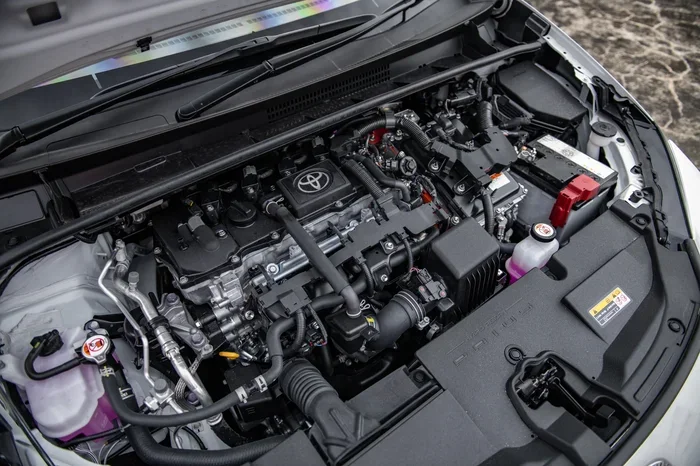
The Toyota 1.8L hybrid engine is a four-cylinder petrol engine paired with an electric motor and a hybrid battery pack. This setup, known as the Toyota Hybrid Synergy Drive, has been refined over many years. It powers popular models like the Toyota Prius and the Toyota Corolla Hybrid.
What makes this engine special is how it splits work between the gas engine and the electric motor. During low-speed city driving, the electric motor handles most of the load. The gasoline engine kicks in during highway cruising or when extra power is needed. This sharing of duty means less stress on every component.
Key Specifications of the 1.8L Hybrid
- Engine Type: 1.8-liter four-cylinder petrol
- Electric Motor Output: Approximately 53 kW (72 hp)
- Combined System Output: Around 136 hp
- Transmission: Electronically controlled continuously variable transmission (e-CVT)
- Fuel Type: Regular unleaded petrol
- Fuel Efficiency: Approximately 4.5 to 5.0 L per 100 km
These numbers tell us why the Toyota Hybrid 1.8 is so efficient. The engine does not work as hard as a conventional engine would. Less hard work means less wear, and less wear means a longer engine life. Many Toyota hybrid owners report their engines running strong well past the 250,000 km point.
How Many KM Does the Toyota Hybrid 1.8 Engine Last?
The honest answer is that it varies. But here are the numbers most experts and owners agree on. A well-maintained Toyota Hybrid 1.8 engine can comfortably last between 250,000 and 350,000 km. Some owners have even pushed past the 400,000 km mark with minimal major repairs.
Compare this to a conventional gasoline engine, which typically lasts around 200,000 to 300,000 km. The hybrid system gives the Toyota engine an edge because the electric motor reduces the total runtime of the combustion engine. This is one of the biggest advantages of hybrid vehicle mileage over standard engines.
Factors That Affect Engine Lifespan
Several things determine how long your Toyota Hybrid 1.8 will last. Let us break them down:
- Maintenance Schedule: Following the recommended service intervals is the single most important factor. Skipping oil changes or coolant flushes shortens engine life significantly.
- Driving Conditions: Stop-and-go city driving is actually easier on a hybrid engine because the electric motor handles much of the work. Long highway trips are fine too, but extreme heat or cold can stress components over time.
- Fuel Quality: Using quality petrol from reputable stations prevents carbon buildup and keeps the engine internals clean.
- Driving Habits: Aggressive acceleration and hard braking increase wear on all engine parts. Smooth, steady driving extends longevity.
- Hybrid Battery Health: A failing hybrid battery can force the gasoline engine to work harder, which increases wear over time.
The Hybrid Battery and Its Role in Engine Longevity
The Toyota hybrid battery is a key piece of the puzzle when discussing engine lifespan. The battery stores energy recovered during braking and supplies it to the electric motor. When the battery is healthy, the gasoline engine runs less, which directly reduces engine wear.
Most Toyota hybrid batteries are designed to last between 150,000 and 200,000 km. Some batteries go well beyond that range. When the battery degrades, you might notice reduced fuel efficiency or the engine running more often than usual. Replacing the hybrid battery can be costly, but it often makes sense because it restores the engine to its optimal operating condition.
Signs Your Hybrid Battery May Be Failing
- Reduced fuel economy compared to when the car was new
- The engine runs more frequently during light driving
- Warning lights on the dashboard, especially the hybrid system indicator
- Unusual noises coming from the battery area
- Decreased electric-only driving range
If you notice any of these signs, get the battery checked promptly. A healthy battery keeps the Toyota Hybrid 1.8 engine working efficiently for many more kilometers.
Maintenance Schedule for Maximum Engine Life
Staying on top of maintenance is the best way to ensure your Toyota Hybrid 1.8 reaches its full lifespan potential. Toyota designed these engines to be low-maintenance, but they still need regular attention.
Essential Maintenance Tasks
- Engine Oil Changes: Change the oil every 10,000 km or as recommended. Use the grade specified in the owner manual.
- Coolant Flush: Replace coolant every 80,000 to 100,000 km to prevent overheating and internal corrosion.
- Brake Fluid: Flush brake fluid every two years to maintain safe braking performance.
- Transmission Fluid: Check the e-CVT fluid level regularly and replace it per the service schedule.
- Air Filter Replacement: Replace the engine air filter every 20,000 to 30,000 km.
- Spark Plugs: Replace spark plugs every 60,000 to 100,000 km depending on driving conditions.
- Hybrid System Check: Have the hybrid battery and electric motor inspected during every service visit.
Following this schedule might seem like a lot, but it is straightforward. The Toyota Hybrid 1.8 is designed to be forgiving. Many owners find that the hybrid engine maintenance cost is lower than what they would pay for a conventional engine over the same distance.
Real-World Mileage Stories from Toyota Hybrid Owners
One of the best ways to understand Toyota Hybrid 1.8 engine durability is to look at real-world examples. Many owners have shared their high-mileage stories online and in forums. These stories paint a clear picture of what this engine can achieve.
One common story comes from owners of the Toyota Prius with the 1.8L hybrid engine. Many report crossing the 300,000 km mark with only routine maintenance and no major engine repairs. The electric motor and battery system handle much of the daily driving workload, which keeps the petrol engine in excellent condition.
Another popular model, the Toyota Corolla Hybrid, uses the same 1.8L engine. Owners of this vehicle frequently report similar longevity. The key takeaway from these real-world stories is consistent: proper care and regular maintenance make a massive difference.
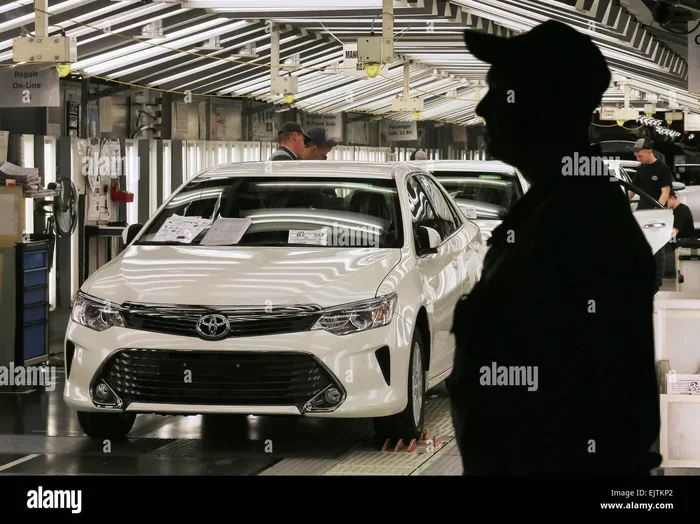
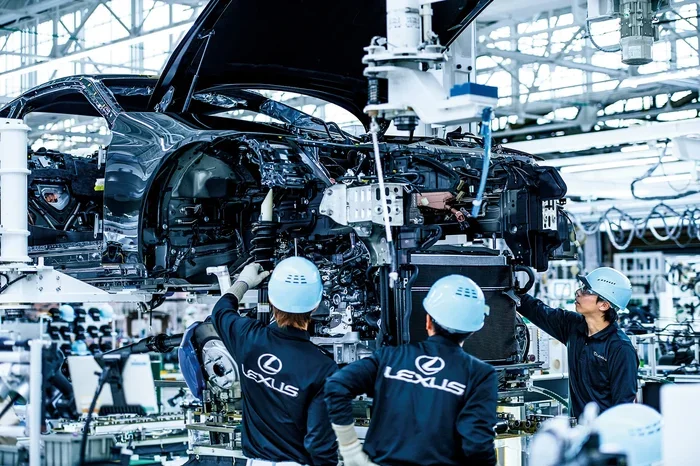
It is also worth noting that Toyota builds engines in multiple Toyota manufacturing locations around the world. The quality standards remain consistent regardless of where the vehicle is assembled. This global production consistency is part of why Toyota engines are so reliable. If you are curious about where Toyota vehicles are built, you can explore where Toyota vehicles are made to learn more about their global production network.
Cost of Ownership: How Far Can You Stretch Your Toyota Hybrid 1.8?
One of the biggest questions potential buyers ask is about the Toyota hybrid ownership cost. The good news is that the Toyota Hybrid 1.8 is one of the most cost-efficient engines to own over the long term.
Why the Hybrid 1.8 Saves Money Over Time
- Fuel Savings: The hybrid system delivers excellent fuel economy, often achieving 5 L per 100 km or less in city driving. Over 200,000 km, this adds up to thousands of dollars saved at the pump.
- Brake Wear: The regenerative braking system reduces wear on brake pads and rotors. Many owners replace brake components only half as often as conventional car owners.
- Engine Wear: Because the electric motor shares the workload, the petrol engine experiences less friction and heat stress. This translates to fewer major repairs.
- Resale Value: High-mileage Toyota Hybrids hold their value remarkably well. Even a Toyota Camry with significant mileage tends to retain strong resale numbers. You can check how much a Toyota Camry is worth to understand Toyota resale trends.
Estimated Costs Over 300,000 km
| Expense Category | Estimated Cost (300,000 km) |
|---|---|
| Fuel (Hybrid 1.8) | $9,000 – $12,000 |
| Routine Maintenance | $3,000 – $5,000 |
| Hybrid Battery Replacement (if needed) | $3,000 – $5,000 |
| Major Engine Repairs | $0 – $2,000 (rare with proper care) |
| Total Estimated Cost | $15,000 – $24,000 |
These numbers show that the Toyota Hybrid 1.8 is incredibly cost-effective over its lifetime. The engine is designed to handle high mileage without expensive repairs. Even if you need a hybrid battery replacement at the 200,000 km mark, the overall cost of ownership remains competitive with, or lower than, a conventional engine.
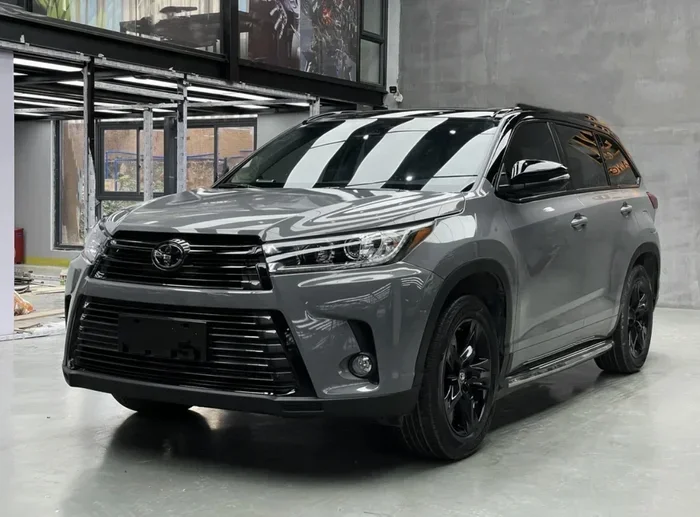
Beyond the engine itself, many owners also invest in cosmetic protection like paint protection or wraps to keep their vehicle looking great. If you are interested in learning more about vehicle wraps, you can read about how much it costs to wrap a Toyota Highlander for a general idea of protective detailing costs.
Common Mistakes That Shorten the Toyota Hybrid 1.8 Engine Life
Knowing what to avoid is just as important as knowing what to do. Many Toyota Hybrid 1.8 owners unknowingly shorten their engine life through simple mistakes. Here are the most common ones to watch out for.
Skipping Regular Oil Changes
This is the number one mistake. Even though the hybrid engine runs less often, the oil still degrades over time. Old oil loses its lubricating properties, which increases friction inside the engine. Stick to the recommended oil change schedule without exception.
Ignoring the Hybrid Battery Warning Lights
When a hybrid warning light appears, it is tempting to ignore it and keep driving. This is a costly mistake. A failing hybrid battery forces the petrol engine to compensate, which accelerates wear and reduces fuel efficiency.
Using Low-Quality Fuel
Cheap petrol may save a few dollars at the pump, but it can cause carbon deposits inside the engine over time. These deposits reduce efficiency and can lead to expensive cleanings or repairs. Always use the recommended fuel grade.
Neglecting the Cooling System
The cooling system keeps the engine at the right operating temperature. Over time, coolant breaks down and loses its effectiveness. Neglecting coolant changes can lead to overheating, which is one of the fastest ways to damage any engine.
Driving Aggressively
Hard acceleration and sudden braking put extra stress on every engine component. While the hybrid system helps absorb some of this stress, aggressive driving still wears out the engine faster than gentle, steady driving does.
How to Maximize Your Toyota Hybrid 1.8 Engine Life
If you want your Toyota Hybrid 1.8 to last well beyond 300,000 km, follow these practical tips. These steps are simple but highly effective.
- Follow the Service Schedule: Never skip a scheduled service. Use a trusted mechanic who understands hybrid systems.
- Monitor Fluid Levels: Check engine oil, coolant, and brake fluid levels monthly. Low fluids cause damage quickly.
- Drive Smoothly: Accelerate gently and brake early. This reduces wear on the engine, brakes, and hybrid components.
- Keep the Battery Healthy: Avoid fully draining the hybrid battery. Keep the charge level between 20% and 80% for optimal longevity.
- Address Issues Early: Do not ignore unusual sounds, warning lights, or changes in performance. Early diagnosis prevents small problems from becoming big repairs.
- Store the Vehicle Properly: If the car sits unused for extended periods, start it and drive it regularly. Hybrid systems need periodic use to stay healthy.
- Use Genuine Toyota Parts: When replacements are needed, always choose OEM or genuine Toyota parts. They are engineered specifically for your engine.
By following these steps, you set your Toyota Hybrid 1.8 up for a long, healthy life. The engine is built tough, but it still needs your help to reach its full potential.
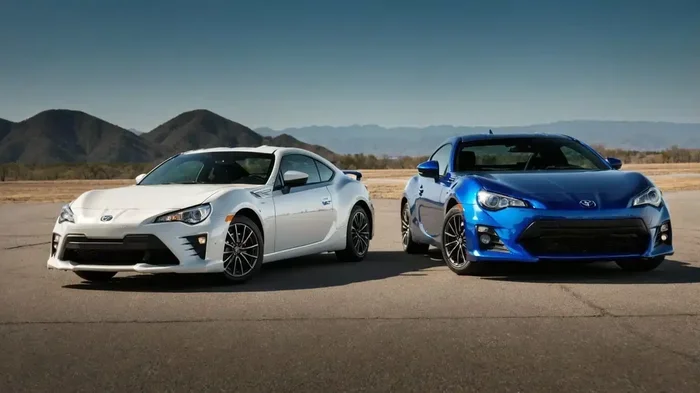
Toyota has a long history of building reliable vehicles across its lineup. The brand’s commitment to quality extends beyond just the engines. For those curious about the broader Toyota family, you can learn more about the relationship between Toyota and Subaru and how their shared engineering philosophy contributes to vehicle reliability.
Conclusion
The Toyota Hybrid 1.8 engine is one of the most durable and reliable powertrains in the automotive world. With proper care, you can expect this engine to last between 250,000 and 350,000 km, and some owners push well past that range. The key to unlocking this longevity lies in regular maintenance, quality fuel, smooth driving habits, and a healthy hybrid battery.
The Toyota Hybrid 1.8 offers a compelling combination of efficiency, reliability, and low ownership cost. Whether you drive it for 100,000 km or 300,000 km, this engine delivers consistent performance and excellent fuel economy throughout its life. The hybrid system reduces wear on the petrol engine, making it a smart choice for anyone who wants a vehicle that lasts.
If you own or are considering a Toyota Hybrid 1.8, take these tips to heart. Follow the maintenance schedule, drive with care, and address issues early. Your engine will reward you with years of dependable service and strong mileage. The Toyota Hybrid 1.8 is built to go the distance, and with your help, it absolutely will.
Frequently Asked Questions
How many kilometers can a Toyota Hybrid 1.8 engine last?
A well-maintained Toyota Hybrid 1.8 engine can last between 250,000 and 350,000 km. Some owners report crossing 400,000 km with minimal major repairs. The key factor is consistent maintenance and proper driving habits.
How long does the Toyota Hybrid 1.8 battery last?
The Toyota hybrid battery typically lasts between 150,000 and 200,000 km. However, many batteries last longer depending on driving conditions and maintenance. Replacing the battery when needed keeps the entire hybrid system running efficiently.
Is the Toyota Hybrid 1.8 engine expensive to maintain?
No, the Toyota Hybrid 1.8 is actually one of the more affordable engines to maintain. The hybrid system reduces wear on brake pads, engine components, and the transmission. Routine maintenance costs are generally lower than comparable conventional engines.
What is the fuel efficiency of the Toyota Hybrid 1.8?
The Toyota Hybrid 1.8 delivers approximately 4.5 to 5.0 L per 100 km in combined driving. City driving often yields even better efficiency because the electric motor handles much of the workload during low-speed conditions.
Can you still drive a Toyota Hybrid 1.8 if the hybrid battery fails?
Yes, the vehicle can still operate on the gasoline engine alone if the hybrid battery fails. However, fuel efficiency drops significantly and the engine may run harder. It is best to replace the hybrid battery promptly to restore optimal performance.
Does the Toyota Hybrid 1.8 hold its resale value?
Yes, Toyota Hybrid 1.8 vehicles hold their resale value very well. Even high-mileage hybrids remain attractive to buyers because of Toyota’s reputation for reliability and the growing demand for fuel-efficient vehicles.