Where Are the Toyota Camrys Made and What You Should Know
The Toyota Camry is built in multiple locations worldwide, including the United States, Japan, and China. The primary assembly plant for U.S. models is in Georgetown, Kentucky. Understanding where your Camry is made helps you appreciate the craftsmanship, quality control, and global reach of Toyota Motor Corporation.
Have you ever wondered about the journey of your Toyota Camry before it reaches the dealership? Where are the Toyota Camrys made? The answer might surprise you. This popular sedan rolls off assembly lines in multiple countries, each contributing to the vehicle’s reputation for quality and reliability.
The Toyota Camry is one of the best-selling sedans in the world. People trust it for daily commuting, family trips, and everything in between. But the story behind its production is just as fascinating as the car itself. From factory floors in Kentucky to plants in Japan and China, every Camry carries a piece of its origin story.
In this article, we will explore every detail about Toyota Camry production. We will look at where the Camry is built, the history behind its manufacturing, and what it means for you as a buyer. Whether you are shopping for a new Camry or just curious about Toyota manufacturing, this guide has you covered.
Key Takeaways
- Primary U.S. Assembly: Most Toyota Camrys sold in America are built at the Georgetown, Kentucky plant.
- Global Production: Toyota manufactures the Camry in several countries, including Japan, China, and Thailand.
- Long Manufacturing History: The Camry has been in production since 1982 and has evolved significantly over the decades.
- Quality Standards: Every Camry undergoes rigorous quality checks regardless of where it is assembled.
- Buying Insight: Knowing where a Camry is made can help buyers make informed decisions about their purchase.
- Toyota’s Global Footprint: Toyota operates numerous factories worldwide, showcasing its commitment to local and international markets.
- Reliability Factor: The manufacturing process contributes to the Camry’s reputation as one of the most reliable sedans on the road.
📑 Table of Contents
- The History of Toyota Camry Production
- Where Are Toyota Camrys Made Today?
- What Happens Inside a Toyota Camry Assembly Plant?
- How Does Manufacturing Location Affect the Camry?
- Toyota Camry Generations and Their Manufacturing Evolution
- Why Manufacturing Location Matters to Buyers
- Quick Tips for Prospective Camry Buyers
- Common Mistakes Buyers Make When Choosing a Camry
- Expert Insights on Toyota Camry Manufacturing
- Conclusion
The History of Toyota Camry Production
The Toyota Camry has a rich history that spans over four decades. It was first introduced in 1982 as a compact sedan. At that time, Toyota Camry assembly was limited to a few facilities in Japan. The car quickly gained popularity for its smooth ride and dependable performance.
Early Years: Japan-Only Production
In the beginning, all Camrys came from Japanese factories. Toyota built the first generation Camry at its Tsutsumi plant in Toyota City, Aichi. The car was designed to compete with popular sedans from Honda and Nissan. Early models were smaller and more fuel-efficient than today’s versions.
As demand grew, Toyota expanded its production capabilities. The company understood that building cars closer to its markets would reduce shipping costs and improve delivery times. This strategy laid the foundation for the global Toyota Camry production network we see today.
Expansion to the United States
Toyota opened its first U.S. assembly plant in 1986. The Georgetown, Kentucky facility became a game-changer for Toyota manufacturing in America. The Camry was one of the first models produced there. By moving production to the U.S., Toyota could serve American customers more efficiently.
The Georgetown plant remains the primary facility for Camry production in North America. It has undergone numerous upgrades over the years. Today, it is one of the most advanced auto manufacturing plants in the world. The facility produces hundreds of thousands of vehicles each year.
Where Are Toyota Camrys Made Today?
Today, Toyota builds the Camry in several locations around the globe. Each factory follows strict quality standards. The result is a consistent driving experience no matter where the vehicle was assembled. Let us break down the main production sites.
Georgetown, Kentucky — The U.S. Hub
The Toyota Motor Manufacturing Kentucky plant in Georgetown is the largest Toyota factory in the United States. It produces the majority of Camrys sold in North America. The plant also manufactures the Toyota Avalon and the Lexus ES.
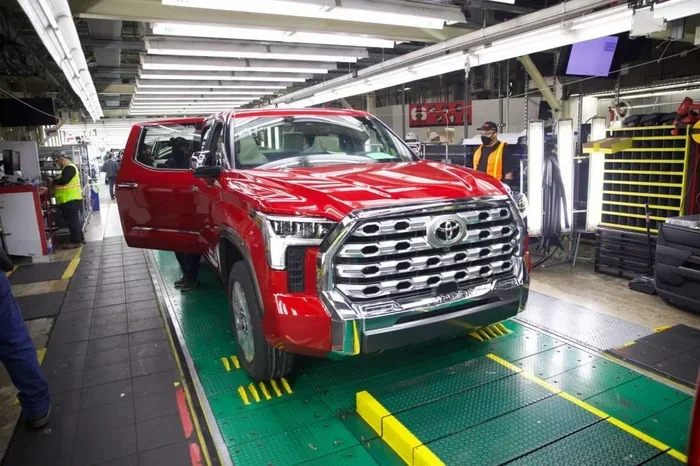
Georgetown sits on over 1,500 acres of land. The facility employs thousands of workers. It uses state-of-the-art robotics alongside human craftsmanship. Every Camry built here goes through a series of detailed inspections. Toyota quality control is taken very seriously at this location.
If you buy a Camry from a U.S. dealership, there is a strong chance it was built in Kentucky. The plant has been operating since 1988 and continues to expand its capabilities. It is a proud symbol of Toyota’s commitment to American manufacturing.
Japan: The Birthplace of the Camry
Japan remains a key production hub for the Camry. The Tsutsumi plant and the Motomachi plant both contribute to global Camry supply. These facilities build models specifically for the Japanese domestic market and for export to other regions.
Japanese-built Camrys often feature slightly different specifications. They may include unique trim levels or engine configurations. Some enthusiasts prefer the Japanese-origin models for their attention to detail. Toyota Camry origin in Japan gives the vehicle a special heritage.
Toyota also produces Camrys at its Motomachi plant, which is known for building high-performance and luxury vehicles. The expertise from this facility flows into Camry production. This ensures that even standard models benefit from advanced engineering practices.
China and Thailand: Expanding Global Reach
Toyota has also established Camry production in China and Thailand. These facilities serve the growing demand in Asia and Southeast Asia. The Toyota Camry models built in China are designed with local preferences in mind.
In China, the Camry is produced at joint venture factories with GAC Toyota. These plants adapt the vehicle for Chinese consumers. They may include longer wheelbases or different engine options. Thailand’s Gateway City plant also produces Camrys for the ASEAN market.
These international plants demonstrate Toyota’s global operations. The company adapts its manufacturing to meet regional needs. This flexibility has helped the Camry remain competitive in diverse markets around the world.
What Happens Inside a Toyota Camry Assembly Plant?
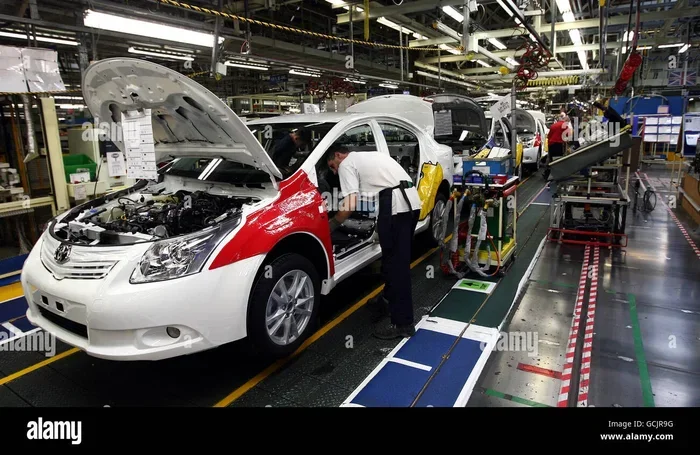
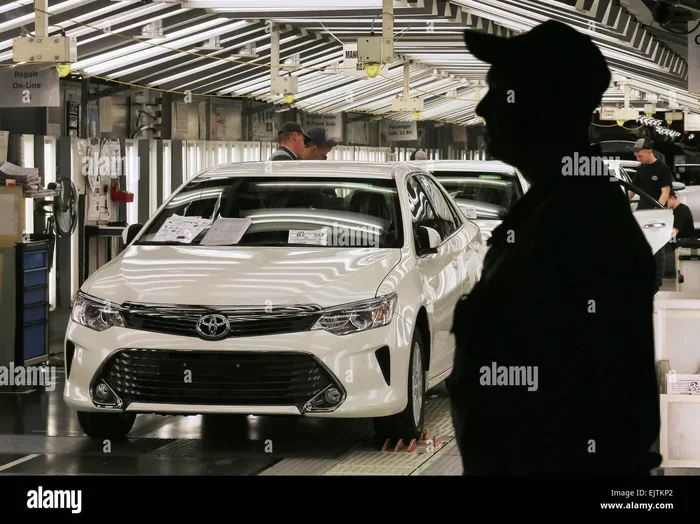
Walking through a Camry assembly plant is an impressive experience. The process combines advanced technology with skilled human labor. Every step is designed to ensure the highest quality output.
The Assembly Line Process
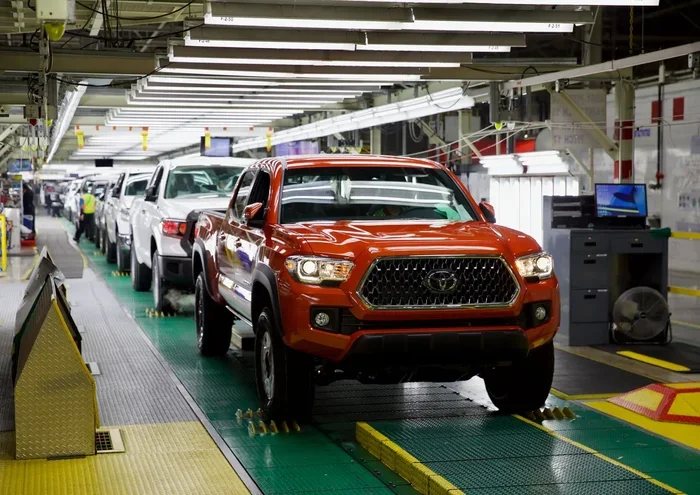
The assembly process starts with the stamping department. Robots stamp large metal panels into precise shapes. These panels form the body of the Camry. The stamped parts are then welded together to create the vehicle’s structure.
Next comes the painting phase. Each body undergoes a thorough cleaning and coating process. Paint is applied in multiple layers for durability and finish quality. After painting, the bodies move to the final assembly line. Engines, transmissions, and interiors are installed at this stage.
Quality inspectors check every vehicle at multiple points. They test the electronics, the engine, and the safety systems. A finished Camry must pass all inspections before it leaves the plant. Toyota Camry reliability starts on the assembly line.
Robotics and Human Craftsmanship
Modern Camry plants use thousands of robots. These robots handle welding, painting, and heavy lifting. But humans still play a vital role. Skilled workers oversee the robots and handle complex tasks that require judgment and dexterity.
The combination of robotics and human expertise creates a balanced production system. Robots ensure precision and consistency. Humans bring adaptability and problem-solving skills. Together, they produce a vehicle that meets Toyota’s high standards.
How Does Manufacturing Location Affect the Camry?
You might wonder if where a Camry is made changes the vehicle. The short answer is: not much. Toyota maintains consistent quality across all its factories. However, there are some subtle differences worth noting.
Quality and Reliability
Every Camry, regardless of its origin, undergoes the same rigorous testing. Toyota’s Toyota Camry production standards are uniform worldwide. A Camry built in Kentucky is held to the same quality as one built in Japan.
Reliability studies consistently rank the Camry among the top sedans. J.D. Power and Consumer Reports give it high marks year after year. This consistency reflects Toyota’s commitment to excellence in automobile manufacturing.
Features and Specifications
Most Camrys share the same features regardless of where they are built. However, some regional models may include different trim levels or technology packages. For example, a Camry sold in Japan might have different infotainment options than one sold in the U.S.
Engine options also vary by market. The standard Camry comes with a 2.5-liter four-cylinder engine in most markets. Some regions offer a hybrid version or a more powerful V6. These variations depend on local preferences and regulations.
Price Differences
Manufacturing location can influence the price of a Camry. Building in the U.S. reduces import tariffs and shipping costs. This can make American-built Camrys more affordable for domestic buyers. For a detailed look at pricing, check out our guide on how much a Toyota Camry costs.
Imported models may carry a slight price premium due to tariffs and logistics. But the difference is usually small. Buyers should focus more on the trim level and features than the manufacturing origin when comparing prices.
Toyota Camry Generations and Their Manufacturing Evolution
The Camry has gone through several generations since its debut. Each generation brought improvements in design, technology, and manufacturing processes. Let us take a quick look at how production evolved.
First Generation (1982-1986)
The original Camry was a compact sedan built exclusively in Japan. It was based on the Toyota Corona platform. The car was simple, reliable, and affordable. It quickly gained a loyal following in the Japanese market and in exports.
Second and Third Generations (1987-1996)
These generations saw the Camry grow in size and popularity. Toyota introduced the V6 engine option during this period. The cars were still built in Japan, but demand from North America pushed Toyota to plan for U.S. production.
Fourth and Fifth Generations (1997-2011)
The fourth generation marked the Camry’s arrival in American factories. The Georgetown plant began producing the model in large numbers. The Camry became the best-selling sedan in the U.S. during this era.
The fifth generation continued this success. Toyota refined the manufacturing process at Georgetown. Quality improvements and new technology made the Camry even more appealing. This generation solidified the Camry’s status as a top-rated sedan.
Sixth to Eighth Generations (2012-Present)
The modern Camry generations focus on fuel efficiency and technology. The hybrid version was introduced to meet growing demand for eco-friendly vehicles. Toyota also updated the design to be more sleek and modern.
Today’s Camry is built at multiple plants worldwide. The Georgetown facility produces the most units for the U.S. market. Toyota Camry assembly in Japan continues for global distribution. Newer plants in China and Thailand support regional demand.
Why Manufacturing Location Matters to Buyers
Understanding where your Camry is made can influence your buying decision. Some buyers prefer American-made vehicles. Others look for specific features tied to certain markets. Here are a few reasons why manufacturing location matters.
Supporting Local Economy
Buying a Camry built in Kentucky supports American jobs. The Georgetown plant provides employment to thousands of people. It also contributes to the local economy through taxes and supplier contracts. For buyers who value domestic manufacturing, this is an important factor.
Avoiding Import Tariffs
Vehicles built in the U.S. avoid import tariffs that apply to foreign-made cars. This can result in a lower sticker price. It also means fewer restrictions if you plan to sell or trade in your vehicle later.
Personal Preference
Some buyers simply prefer a certain origin. They may believe Japanese-built vehicles have a different feel or quality. Others trust American-built models for their robustness. Neither preference is wrong. Toyota Camry reviews consistently praise the vehicle regardless of its manufacturing location.
Quick Tips for Prospective Camry Buyers
- Check the VIN: The vehicle identification number can tell you where the Camry was assembled. The 11th character of the VIN indicates the assembly plant.
- Ask the Dealer: Your local dealer can tell you the origin of a specific vehicle before purchase.
- Compare Trims: Different manufacturing locations may offer different trim levels. Research what is available in your region.
- Read Owner Reviews: Real-world feedback from Camry owners can give you insights into quality and reliability.
- Consider the Hybrid: The Camry Hybrid is built with the same care as the gas version. It offers excellent fuel economy and lower emissions.
- Test Drive Multiple Models: Try Camrys from different model years to notice how manufacturing improvements have enhanced the driving experience.
Common Mistakes Buyers Make When Choosing a Camry
Avoid these common pitfalls when shopping for a Toyota Camry. First, do not assume all Camrys are the same. Different generations and trims offer different features. Second, do not overlook the hybrid option. It can save you significant money on fuel over time. Third, do not ignore the Toyota Camry price across different trims. The base model offers great value, but higher trims add worthwhile features.
Another mistake is skipping the test drive. Every Camry drives a little differently depending on its trim and engine. Finally, do not forget to check the warranty. Toyota offers a strong warranty package that adds peace of mind to any purchase.
Expert Insights on Toyota Camry Manufacturing
Industry experts agree that Toyota’s manufacturing strategy is a key reason for the Camry’s success. The company invests heavily in its factories. It continuously updates production methods to improve efficiency and quality. According to automotive analysts, Toyota’s global manufacturing network gives it a competitive edge over rivals.
Expert opinions also highlight the importance of the Georgetown plant. It is not just a factory; it is a cornerstone of Toyota’s American operations. The plant’s output directly impacts the U.S. economy and Toyota’s market share. For more information on Toyota’s manufacturing practices, you can explore our article on where Toyota vehicles are made and whether Subaru is owned by Toyota to understand the broader corporate landscape.
Manufacturers around the world look to Toyota as a benchmark. The company’s Toyota production system has been studied and adopted by competitors. The Camry benefits directly from these innovations. Every vehicle that leaves the line reflects decades of manufacturing expertise.
Conclusion
So, where are the Toyota Camrys made? The answer is both simple and complex. The Camry is built in the United States, Japan, China, and Thailand. Each factory contributes to the vehicle’s global success. The Georgetown, Kentucky plant remains the primary source for North American buyers.
The Toyota Camry represents more than just a sedan. It symbolizes Toyota’s dedication to quality, innovation, and global reach. Whether your Camry was built in Kentucky or Japan, it carries the same promise of reliability and value.
Next time you see a Camry on the road, you will know its story. The vehicle has traveled a long journey from the factory to your driveway. And that journey is a testament to Toyota’s world-class automobile manufacturing capabilities.
If you are considering a Camry, do your research. Visit dealerships, test drive models, and compare features. The Camry has something to offer every type of buyer. Its combination of quality, reliability, and value makes it a standout choice in the sedan segment.
Frequently Asked Questions
Where is the Toyota Camry primarily manufactured?
The Toyota Camry is primarily manufactured at the Georgetown, Kentucky plant for the U.S. market. Toyota also builds Camrys in Japan, China, and Thailand for other global markets. The Georgetown facility is the largest Toyota plant in America and produces the majority of North American Camrys.
How can I find out where my Toyota Camry was made?
You can check the 11th character of your vehicle identification number, or VIN. Each assembly plant has a unique code assigned to it. You can also ask your Toyota dealer, who can look up the production origin using the VIN. Online VIN decoder tools are another helpful resource.
Is a Toyota Camry made in Japan better than one made in the U.S.?
No, Toyota maintains the same quality standards across all its manufacturing facilities. A Camry built in Japan and one built in Kentucky go through identical quality checks. The differences are usually minor and relate to regional features or trim availability rather than build quality.
Does the manufacturing location affect the Toyota Camry price?
Manufacturing location can have a small impact on price due to tariffs and shipping costs. However, the difference is usually minimal for buyers in the U.S. market. The trim level, features, and engine choice have a much bigger effect on the final price.
What other Toyota models are built at the Georgetown, Kentucky plant?
The Georgetown plant builds the Toyota Camry, Toyota Avalon, and Lexus ES. It also produces the Toyota Lexus RX in nearby facilities. Georgetown is a major hub for Toyota’s American manufacturing operations and employs thousands of workers in the region.
Has the Toyota Camry always been made in the United States?
No, the Camry was first produced exclusively in Japan starting in 1982. Toyota began manufacturing the Camry in the U.S. at the Georgetown plant in 1988. Since then, American-built Camrys have become the standard for the North American market, while Japanese plants continue to serve other regions.