Is Subaru Owned by Toyota Find Out Everything Today
No, Subaru is not owned by Toyota. Subaru Corporation operates independently, but Toyota holds a small stake in the company. The two Japanese automakers share a deep automotive partnership that includes platform sharing, joint ventures, and electric vehicle collaboration. This relationship benefits car ownership through better technology and more affordable vehicles.
Have you ever wondered, is Subaru owned by Toyota? It is a question that comes up a lot among car shoppers. The short answer is no. Subaru is not owned by Toyota. But the full story is much more interesting than a simple yes or no. The two Japanese automakers share a deep and meaningful partnership that goes far beyond what most people realize. They work together on manufacturing, technology, and even electric vehicle development. Understanding this relationship helps you become a smarter car owner. It also gives you insight into how modern vehicle manufacturers cooperate in today’s market.
In this article, we will break down everything you need to know. We will look at the history, the current partnership, and what it means for you as a buyer. Whether you are shopping for a Subaru Outback or a Toyota RAV4, this information matters. Let us dive in and uncover the truth behind these two popular brands.
Key Takeaways
- Subaru remains independent: Toyota does not own Subaru, though it holds a minor equity stake.
- A long-standing partnership exists: The two companies have collaborated since the early 2000s on manufacturing and technology.
- Platform sharing is real: Several popular models from both brands share underlying vehicle platforms.
- EV collaboration is growing: Toyota and Subaru are working together on electric vehicles and new powertrain tech.
- Buyers benefit: This partnership leads to better engineering, shared resources, and competitive pricing.
- Fuji Heavy Industries is the real name behind Subaru: The brand’s full corporate identity is Subaru Corporation.
- Stock ownership is modest: Toyota owns roughly 4% of Subaru’s shares, not a controlling interest.
📑 Table of Contents
- The Short Answer to “Is Subaru Owned by Toyota”
- A Brief History of the Subaru and Toyota Relationship
- How Toyota and Subaru Work Together Today
- What Toyota Owns vs. What Subaru Owns
- Popular Cars Born From the Partnership
- What This Partnership Means for You as a Buyer
- Common Myths About Subaru and Toyota Ownership
- Expert Insights on the Subaru-Toyota Partnership
- Key Takeaways
- Conclusion
The Short Answer to “Is Subaru Owned by Toyota”
Let us get the most important thing out of the way first. Toyota does not own Subaru. Subaru Corporation is an independent vehicle manufacturer headquartered in Japan. However, Toyota does hold a small percentage of Subaru’s stock. This is called a minority equity stake. It is not a controlling interest. Toyota owns roughly 4% of Subaru’s shares. That is far from ownership in the traditional sense.
So why do so many people think Toyota owns Subaru? The answer lies in their close working relationship. The two companies share platforms, engines, and manufacturing facilities. This level of collaboration makes it easy to assume one owns the other. But that is not the case. Each company operates independently with its own leadership, design teams, and corporate identity.
The automotive partnership between these two brands is one of the most successful in the industry. It shows how two independent companies can thrive by working together. This manufacturing deal has benefited millions of car owners around the world. It has led to better vehicles, more innovation, and stronger competition in the market.
A Brief History of the Subaru and Toyota Relationship
How It All Started
The connection between Subaru and Toyota did not happen overnight. Subaru was originally known as Fuji Heavy Industries. The company changed its name to Subaru Corporation in 2017. For decades, Subaru focused on building all-wheel drive vehicles with their signature boxer engine design. They carved out a loyal following among drivers who valued safety and capability.
The partnership with Toyota began to take shape in the early 2000s. At that time, both companies saw the value in sharing resources. Toyota had massive manufacturing scale and global reach. Subaru had a strong reputation for building reliable, capable vehicles. By joining forces, they could achieve more together than apart.
The initial collaboration focused on manufacturing. Toyota helped Subaru expand production capacity. In return, Subaru gained access to Toyota’s global distribution network. This was a smart move for both sides. It allowed each company to grow without spending billions on new factories.
Key Milestones in the Partnership
Over the years, the Subaru-Toyota relationship has grown stronger. Here are some important milestones:
- 2005: Toyota acquired a small stake in Subaru’s parent company, Fuji Heavy Industries.
- 2008: The two companies began sharing platform technology for new models.
- 2016: Toyota increased its equity stake to about 4% in Subaru Corporation.
- 2019: Both brands announced plans for EV collaboration on new electric platforms.
- 2023: The partnership expanded into shared platform sharing for upcoming models.
Each step deepened the relationship without compromising Subaru’s independence. The companies have managed to balance cooperation with healthy competition. This is rare in the automotive world and something to admire.
How Toyota and Subaru Work Together Today
Platform Sharing Explained
One of the most visible results of the partnership is platform sharing. A platform is the underlying structure of a vehicle. It includes the frame, suspension, and drivetrain mounting points. Sharing platforms saves both companies enormous amounts of money and development time.
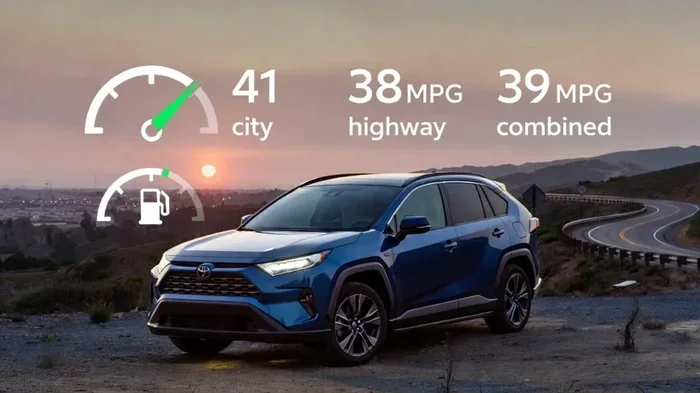
For example, the Toyota RAV4 and the Subaru Crosstrek share the same platform. This is the Toyota New Global Architecture, or TNGA. By using the same base, both companies can focus their resources on making the vehicles unique. Toyota tunes the RAV4 for family-friendly comfort. Subaru tunes the Crosstrek for adventure-ready capability.
This arrangement is a win-win. It keeps production costs down. It also allows both brands to invest more in quality and features. As a car owner, you benefit from better value and more refined vehicles.
Manufacturing Collaboration
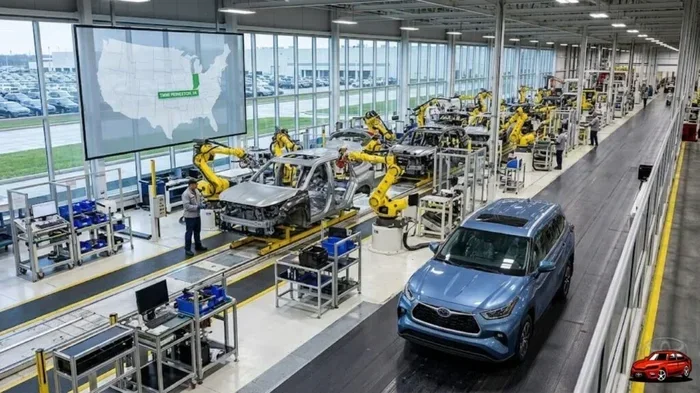
The two companies also share manufacturing facilities. Subaru operates a factory in Gunma, Japan, where Toyota vehicles are also produced. This facility builds the Subaru Outback, the Subaru Ascent, and certain Toyota models. Sharing a factory reduces overhead and improves efficiency.
Toyota also supplies Subaru with certain engines and components. This is common in the industry. Even rival companies share parts sometimes. What makes the Subaru-Toyota relationship special is the depth of the collaboration. It goes well beyond simple parts sourcing.
Research and Development
Both companies pool resources for research and development. They collaborate on safety technologies, hybrid systems, and driver-assistance features. This joint venture approach accelerates innovation. New technologies reach the market faster when companies share the development burden.
Subaru has its own design philosophy called “Dynamic x Solid.” Toyota has its “Toyota Way.” These philosophies remain distinct. But the R&D collaboration ensures both companies stay competitive. They push each other to build better vehicles without copying each other.
What Toyota Owns vs. What Subaru Owns
It is important to understand the boundaries of this partnership. Toyota owns a small stake in Subaru stock. That is it. Toyota does not own Subaru’s operations, design, or brand identity. Subaru Corporation remains fully independent in how it runs its business.
Here is a simple breakdown of what each company controls:
- Subaru Corporation controls its own brand, design, engineering, and sales strategy.
- Toyota Motor Corporation controls its own brand, global operations, and production facilities.
- Shared platforms are developed collaboratively but used by both companies independently.
- Manufacturing facilities may be shared, but each brand has its own production lines and quality standards.
Think of it like two neighbors who share a driveway. They each own their own house. They just agree to share certain resources for mutual benefit. This automotive partnership is built on respect and shared goals, not control.
Popular Cars Born From the Partnership
The Subaru-Toyota collaboration has produced some of the most popular vehicles on the road today. Here are some standout models that benefit from this relationship:
Subaru Crosstrek
The Subaru Crosstrek is built on the same platform as the Toyota RAV4 and the Toyota Corolla Cross. It features Subaru’s standard all-wheel drive system and the iconic boxer engine. The Crosstrek offers a perfect blend of on-road comfort and off-road capability. It is one of the best-selling crossover SUVs in its class.
Subaru Outback
The Subaru Outback is a wagon-like crossover that has gained massive popularity. While it uses Subaru’s own platform for the latest generation, the company’s collaboration with Toyota has influenced its engineering. The Outback benefits from shared safety technologies and manufacturing expertise.
Subaru Ascent
The Subaru Ascent is a three-row SUV that competes with larger family haulers. It shares some manufacturing processes with Toyota facilities. This helps keep the Ascent competitively priced while maintaining Subaru’s high quality standards.
Toyota Models with Subaru Input
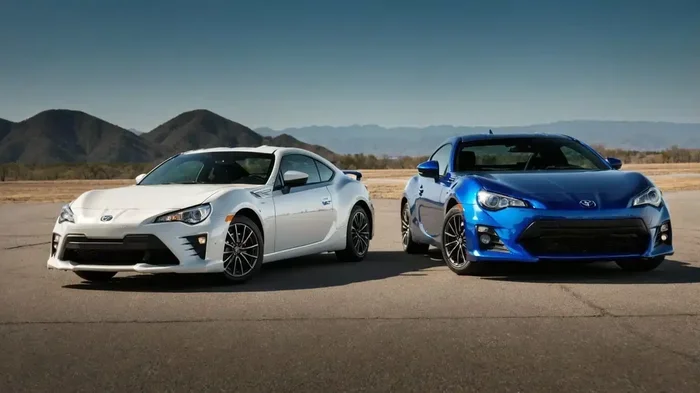
The collaboration goes both ways. Toyota has benefited from Subaru’s expertise in all-wheel drive systems. The Toyota GR86 and Toyota BRZ sports cars were co-developed with Subaru. These two models share the same platform and powertrain. They are a perfect example of how the partnership drives innovation for both brands.
What This Partnership Means for You as a Buyer
If you are in the market for a new vehicle, the Subaru-Toyota relationship has real implications. Here is how it affects your car ownership experience:
Better Value for Your Money
Because the two companies share development costs, those savings get passed on to you. You get well-engineered vehicles at competitive prices. The Subaru Crosstrek and Toyota RAV4 are great examples of this value proposition.
Access to Proven Technology
Shared platforms mean shared technology. Both Subaru and Toyota benefit from each other’s innovations. Safety features, infotainment systems, and efficiency improvements flow between the brands. This means you get access to cutting-edge technology regardless of which brand you choose.
Strong Reliability and Support Networks
Both Subaru and Toyota are known for reliability. Their partnership ensures that parts, service procedures, and engineering standards remain high. As a consumer, you can trust that your vehicle will be well-supported for years to come.
Growing Electric Vehicle Options
The EV collaboration between the two companies is one of the most exciting developments. They are working together on new electric and hybrid platforms. This means more electric vehicles from both brands are coming in the near future. Subaru has announced its commitment to electrification, and Toyota’s experience in hybrid technology will play a key role.
Consumer Confidence
Knowing that two major automakers back each other gives buyers consumer confidence. You are not buying into a small, risky brand. You are choosing a company with strong industry partnerships and a solid future. This matters when making a long-term car ownership decision.
Common Myths About Subaru and Toyota Ownership
Myth 1: Toyota Owns Subaru Completely
This is the biggest myth. Toyota owns about 4% of Subaru’s shares. That is a minor financial investment. It gives Toyota no control over Subaru’s operations, decisions, or brand direction. Subaru is and always has been its own independent company.
Myth 2: Subaru and Toyota Are the Same Company
They are not. They are separate companies with separate headquarters, separate leadership teams, and separate brand identities. The partnership is a business collaboration, not a merger. Each brand maintains its own unique character and engineering philosophy.
Myth 3: Subaru Cars Are Just Rebadged Toyotas
This is simply not true. While some models share platforms, each vehicle is designed and engineered to meet the specific needs of its brand. A Subaru Outback feels and drives very differently from a Toyota Highlander. They share DNA but offer distinct experiences.
Expert Insights on the Subaru-Toyota Partnership
Industry analysts view this partnership as a model for modern automaking. In an era of rising development costs and tightening emissions regulations, collaboration is essential. No single company can do everything alone. The Subaru-Toyota relationship proves that independent companies can thrive together.
Experts also point out that the partnership preserves competition. Because both brands remain independent, they continue to push each other. Subaru does not just copy Toyota. Toyota does not just copy Subaru. They each bring unique strengths to the table. This healthy competition ultimately benefits everyone.
Looking ahead, the EV collaboration will be a key area to watch. Both companies are investing heavily in electrification. Their shared approach could accelerate the arrival of affordable, practical electric vehicles. This is great news for anyone considering their next car ownership choice.
Key Takeaways
- Subaru remains independent: Toyota does not own Subaru, though it holds a minor equity stake of about 4%.
- A long-standing partnership exists: The two companies have collaborated since the early 2000s on manufacturing and technology.
- Platform sharing is real: Several popular models from both brands share underlying vehicle platforms like the TNGA architecture.
- EV collaboration is growing: Toyota and Subaru are working together on electric vehicles and new powertrain technology.
- Buyers benefit: This partnership leads to better engineering, shared resources, and competitive pricing for consumers.
- Fuji Heavy Industries is the real name behind Subaru: The brand’s full corporate identity is Subaru Corporation, which operates independently.
- Stock ownership is modest: Toyota’s stake is a minority investment, not a controlling interest in Subaru.
Conclusion
So, is Subaru owned by Toyota? The answer is a clear no. Subaru is an independent company with its own identity, leadership, and vision. But the relationship between Subaru and Toyota is one of the most productive partnerships in the automotive industry. They share platforms, manufacturing, and technology. They collaborate on research and development. And they are working together to shape the future of electric vehicles.
This partnership benefits everyone. Subaru gains access to Toyota’s global scale. Toyota gains access to Subaru’s expertise in all-wheel drive and boxer engines. And as a consumer, you get better vehicles at great value. The next time you see a Subaru Crosstrek or a Toyota RAV4 on the road, remember that they share more than just a driveway. They share a vision for better, smarter, and more efficient mobility.
Whether you are a loyal Subaru fan or a Toyota enthusiast, understanding this relationship gives you a deeper appreciation for both brands. The future looks bright for both companies. And their partnership will likely only grow stronger in the years ahead. Keep an eye on what they build next. You will not want to miss it.
Frequently Asked Questions
Is Subaru owned by Toyota?
No, Subaru is not owned by Toyota. Subaru Corporation is an independent company. Toyota holds a small minority stake of about 4% in Subaru’s stock, but it does not control the company.
What is the relationship between Subaru and Toyota?
The two companies have a strong automotive partnership. They share vehicle platforms, manufacturing facilities, and research and development. This collaboration helps both brands build better vehicles more efficiently.
Do Subaru and Toyota share any car models?
Yes, they share platforms and some components. The Subaru Crosstrek and Toyota RAV4 share the same underlying platform. The Toyota GR86 and Subaru BRZ are also co-developed and share the same engine and chassis.
Who owns Subaru Corporation?
Subaru Corporation is publicly traded and owned by its shareholders. Toyota Motor Corporation holds a small minority stake, but the company operates independently with its own management and board of directors.
Are Subaru vehicles reliable because of Toyota’s involvement?
Subaru has always been known for reliability, even before the partnership with Toyota. The collaboration does bring shared manufacturing expertise and quality standards. But Subaru’s reliability comes from its own engineering philosophy and commitment to quality.
Will Toyota and Subaru merge in the future?
There are no plans for a merger. The current partnership model works well for both companies. They continue to operate independently while sharing resources where it makes sense. Industry experts expect this collaborative approach to continue for years to come.
2 Comments