Are Lexus Cars Made By Toyota Find Out The Full Story Here
Yes, Lexus cars are made by Toyota. Lexus is the luxury automotive division of Toyota Motor Corporation, and every Lexus model shares deep ties with Toyota engineering, platforms, and manufacturing. Toyota owns Lexus outright, and the two brands work together to deliver premium vehicles with exceptional reliability. This guide breaks down the full story, from Lexus origins to modern production and what it means for car buyers.
Have you ever wondered about the connection between Lexus and Toyota? Maybe you are shopping for a luxury car and noticed how much these brands overlap. The truth is simple and fascinating at the same time. Lexus cars are made by Toyota, and that relationship shapes everything from engineering to pricing. Let us dive into the full story and explore how this partnership works.
Toyota is one of the largest car manufacturers in the world. For decades, it has built a reputation for making reliable and affordable vehicles. But Toyota also wanted to compete in the luxury market. That is where Lexus comes in. Are Lexus cars made by Toyota? Absolutely, and the story behind it is worth knowing.
Key Takeaways
- Lexus is a Toyota brand: Lexus is fully owned and operated by Toyota Motor Corporation as its luxury division.
- Shared platforms and parts: Many Lexus models are built on the same Toyota platforms as popular Toyota cars.
- Global manufacturing: Lexus vehicles are produced in Toyota factories across Japan, the United States, and other countries.
- Luxury meets reliability: Lexus combines premium features with Toyota’s legendary dependability.
- Toyota owns multiple brands: Toyota also has connections to other automakers, including a stake in Subaru.
- Lexus stands apart: Despite shared roots, Lexus offers a distinct luxury experience with its own design language and features.
📑 Table of Contents
The Lexus and Toyota Connection
The relationship between Lexus and Toyota goes deeper than most people realize. Lexus is not a separate company. It is an automotive division created by Toyota to enter the luxury car market. Think of it like a premium label inside the Toyota family. Every Lexus vehicle carries the Toyota name behind it.
How Lexus Started
Toyota launched Lexus in 1989. The goal was clear: build a luxury brand that could compete with BMW, Mercedes-Benz, and Audi. Toyota spent years researching what luxury car buyers wanted. They focused on smooth rides, quiet cabins, and top-notch quality. The first Lexus models hit the market and quickly earned praise for their comfort and Lexus reliability.
The Toyota brand history played a big role here. Toyota had already proven it could build excellent cars for millions of buyers. Now it wanted to show it could do the same for wealthier customers. The result was Lexus, a brand built on Toyota’s foundation of quality and innovation.
Toyota’s Vision for Luxury
Toyota did not want to start from scratch. Instead, it used its existing strengths. Toyota had advanced engineering, global manufacturing networks, and a massive supply chain. By creating Lexus, Toyota could use all of these resources to build luxury vehicles. This strategy paid off big time. Today, Lexus is one of the top-selling luxury brands in the world.
Toyota ownership of Lexus gives the brand a huge advantage. Lexus gets access to Toyota’s research, technology, and manufacturing expertise. At the same time, Lexus helps Toyota reach buyers who want something more premium. It is a win-win situation that has worked for over 30 years.
Are Lexus Cars Made By Toyota? The Manufacturing Story
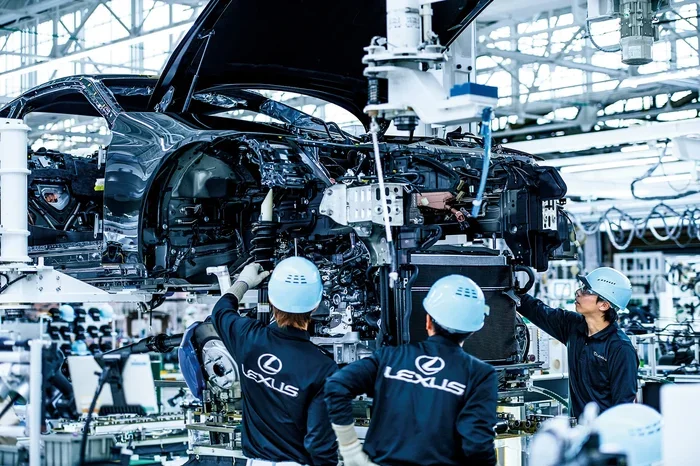
Now let us get into the details. Are Lexus cars made by Toyota in the same factories? The answer is yes. Lexus vehicles roll off Toyota assembly lines around the globe. Toyota manages Lexus production through its network of plants and facilities.
Where Are Lexus Vehicles Built?
Lexus cars are manufactured in several locations. The main production hubs are in Japan, where Toyota is headquartered. Toyota has built its Toyota headquarters in Toyota City, Aichi, Japan. From there, Lexus vehicles are shipped to markets worldwide. The company also operates plants in the United States, Canada, and other countries.
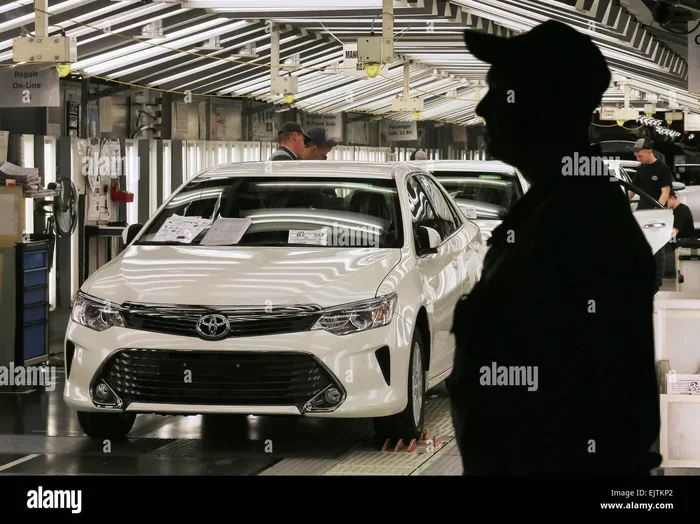
For example, the Toyota manufacturing plant in Georgetown, Kentucky, produces vehicles for both Toyota and Lexus. This same facility also builds the Toyota Camry and other popular models. The shared factory setup allows Toyota to keep costs efficient while delivering premium quality to Lexus buyers.
When you ask where Toyota vehicles are manufactured, the answer covers a wide network. Toyota operates over a dozen manufacturing plants globally. Lexus benefits from every single one of them. This global footprint gives Lexus the ability to build cars close to its customers, reducing shipping costs and delivery times.
Toyota Manufacturing Around the World
Toyota’s manufacturing reach is massive. The company builds cars in Japan, the United States, Thailand, Indonesia, and many other countries. Each plant follows Toyota’s strict quality standards. This consistency is a huge reason why Lexus vehicles feel so polished and refined.
Some Lexus models are built exclusively in Japan. Others are assembled in the U.S. or other regions. The location depends on the model and the target market. But no matter where a Lexus is built, it goes through Toyota’s rigorous quality checks. This ensures every Lexus meets the brand’s high standards.
Toyota manufacturing is not just about building cars. It also covers research and development. Lexus engineers work closely with Toyota teams to develop new platforms, engines, and safety features. This collaboration is a key reason Lexus vehicles feel so refined and technologically advanced.
Popular Lexus Models and Their Toyota Roots
Many Lexus models share direct connections with popular Toyota cars. This is one of the most interesting parts of the Lexus Toyota relationship. Let us look at some examples and see how these vehicles are related.
The Lexus ES and Toyota Camry
The Lexus ES and the Toyota Camry are closely related. Both cars share the same basic platform and many internal components. The Camry is a midsize sedan known for its reliability and value. The ES takes that same foundation and adds luxury touches. You get better materials, a more refined ride, and premium features.
If you are curious about the Camry, you might want to check how much a Toyota Camry costs compared to the Lexus ES. The price difference shows you what you pay for the luxury upgrades. But the core engineering is very similar. This shared approach keeps costs down and quality high.
The Lexus RX and Toyota Highlander
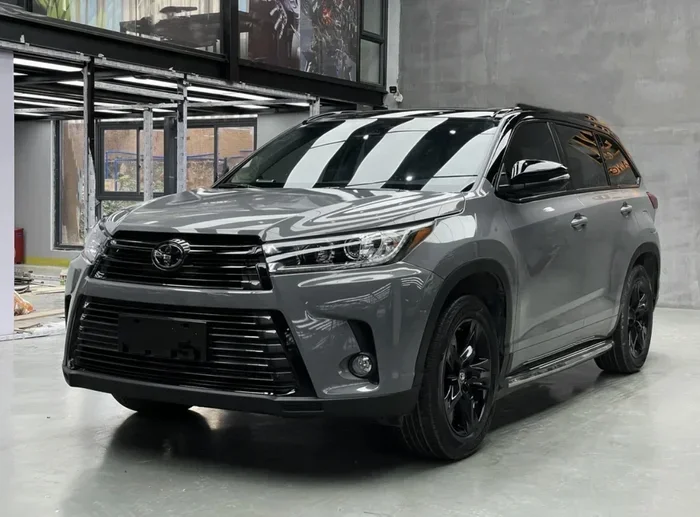
The Lexus RX and the Toyota Highlander are another great example. Both are popular SUVs in the midsize segment. They share the same platform and many mechanical parts. The RX adds luxury appointments, better sound insulation, and premium interior materials. The Highlander focuses more on value and practicality.
Some people wonder about the cost of customizing these vehicles. For instance, you might ask how much it costs to wrap a Toyota Highlander if you want to give it a premium look. The answer can vary, but the point is that both the RX and Highlander offer great value in their own ways.
The Lexus GX and Toyota 4Runner
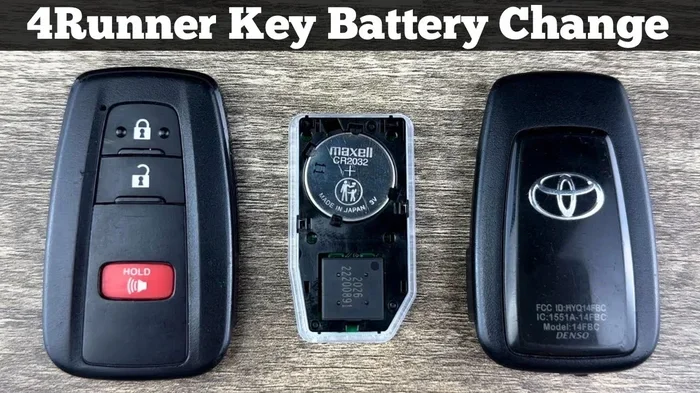
The Lexus GX and Toyota 4Runner share a body-on-frame platform built for off-road capability. The GX adds luxury seating, upgraded infotainment, and refined styling. The 4Runner keeps things more rugged and focused on adventure. Both are excellent SUVs, but they target different buyers. The GX appeals to those who want comfort and capability, while the 4Runner attracts off-road enthusiasts.
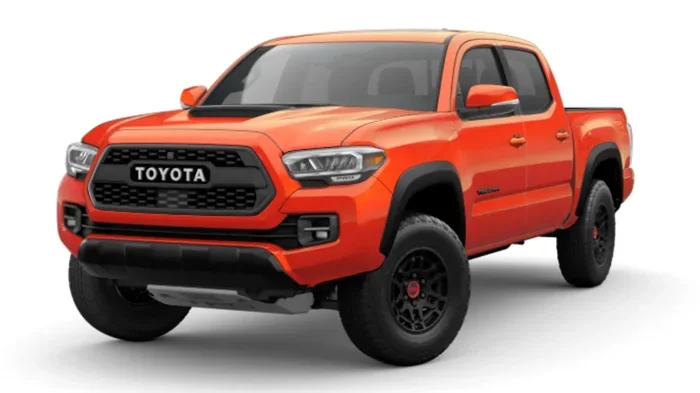
Toyota also builds the Tacoma, a very popular pickup truck. If you are curious about where Toyota Tacomas are made, the answer is mostly in Texas. The Tacoma and the Lexus GX share Toyota’s commitment to durability and quality, even though they serve very different markets.
Other Shared Platforms
The shared platform strategy is common across Toyota’s lineup. Many Lexus models start as Toyota platforms that are then upgraded. This approach offers several benefits:
- Lower development costs: Toyota can spread R&D expenses across both brands.
- Proven reliability: Lexus models benefit from Toyota’s extensive testing and refinement.
- Better value: Buyers get Toyota engineering with luxury extras at a competitive price.
- Faster innovation: New technologies developed for Toyota can quickly reach Lexus models.
Quality and Luxury: How Lexus Stands Apart
So if Lexus shares so much with Toyota, what makes it different? The answer lies in the details. Lexus adds layers of luxury that set it apart from standard Toyota vehicles. Let us explore what makes a Lexus feel so special.
What Makes Lexus Different
Lexus focuses on refinement. The ride quality is smoother. The interior materials are finer. The fit and finish are more precise. Every detail is carefully crafted to create a premium experience. When you sit in a Lexus, you notice the difference right away.
Lexus also offers a quieter cabin. Sound insulation is thicker. Doors feel heavier and more solid. The engine noise is better suppressed. These small touches add up to a vehicle that feels much more expensive than it is. This is the magic of the Lexus Toyota relationship in action.
Design is another area where Lexus shines. The brand has its own design language called “L-finesse.” It features sleek lines, spindle grilles, and elegant proportions. Even though a Lexus might share a platform with a Toyota, it looks and feels completely different. The design team works hard to create a distinct luxury identity.
Lexus Reliability and Owner Experience
One of the biggest advantages of buying a Lexus is Lexus reliability. Since Lexus is part of Toyota, it inherits Toyota’s legendary dependability. Lexus vehicles consistently rank at the top of reliability surveys. Owners report fewer problems and lower repair costs compared to other luxury brands.
The Lexus ownership experience is also excellent. Lexus dealerships offer premium service. Loaner cars are often provided during repairs. The warranty coverage is generous. These perks make owning a Lexus feel special without the premium price tag of German luxury brands.
Lexus quality control is another standout factor. Every vehicle goes through extensive testing before it leaves the factory. Toyota’s quality standards are applied to every Lexus model. This means you get a luxury car that is also built to last for many years.
Toyota Ownership of Other Brands
Toyota does not just own Lexus. The Toyota Group has connections to several other automakers. Understanding this broader picture helps explain how Toyota operates as a global automotive powerhouse.
How Toyota Manages Multiple Brands
Toyota uses a multi-brand strategy to reach different market segments. Lexus serves the luxury market. Daihatsu and Hino serve commercial and smaller vehicle markets. Toyota also holds stakes in other automakers. This diversified approach helps Toyota stay strong across different economic conditions.
Each brand within the Toyota Group operates with some independence. Lexus has its own design team, engineering team, and marketing strategy. But all brands share Toyota’s core values of quality, reliability, and innovation. This structure allows Toyota to compete in many markets without spreading its resources too thin.
Is Subaru Owned by Toyota Too?
This is a common question, and the answer is interesting. Toyota does not fully own Subaru. However, Toyota holds a significant stake in Subaru’s parent company, Subaru Corporation. The relationship is different from the Lexus arrangement. Toyota and Subaru collaborate on some platforms and technology, but they remain separate brands.
If you want to learn more about this topic, you can read more about is Subaru owned by Toyota on our site. The connection between these brands is worth understanding, especially if you are comparing options in the Japanese automaker space.
Should You Buy a Lexus? Final Thoughts
Now that you know the full story, you might be wondering if a Lexus is right for you. The answer depends on your needs and preferences. If you want a luxury vehicle with proven reliability, a Lexus is an excellent choice. You get premium features and refinement backed by Toyota’s engineering excellence.
Here are some quick tips to help you decide:
- Consider your budget: Lexus vehicles cost more than comparable Toyota models but less than German luxury brands.
- Think about long-term costs: Lexus reliability means lower maintenance costs over time.
- Test drive multiple models: Visit a Lexus dealership and compare the ES, RX, and GX to find your fit.
- Check resale values: Lexus vehicles hold their value well thanks to their reputation for reliability.
- Compare with Toyota models: If luxury is not a must, a Toyota model might offer even better value.
The Lexus Toyota relationship is one of the most successful partnerships in the automotive industry. Toyota built a luxury brand that competes with the best in the world. And it did so by leveraging its own strengths in engineering, manufacturing, and quality control. The result is a lineup of vehicles that delivers luxury, reliability, and value in one package.
Whether you are looking at the Lexus ES, the RX, or any other model, you are getting a vehicle backed by one of the world’s largest and most respected automakers. Lexus cars are made by Toyota, and that fact is something to feel confident about. The next time you see a Lexus on the road, you will know the full story behind it.
Frequently Asked Questions
Are Lexus cars made by Toyota?
Yes, Lexus is a luxury division fully owned and operated by Toyota Motor Corporation. Every Lexus model is designed, engineered, and manufactured by Toyota or its partner facilities around the world.
What is the difference between Lexus and Toyota?
The main difference is the luxury focus. Lexus models offer premium materials, refined styling, and upgraded features compared to their Toyota counterparts. Both brands share platforms and engineering, but Lexus adds layers of comfort and exclusivity.
Where are Lexus cars manufactured?
Lexus vehicles are built in Toyota factories across Japan, the United States, and other countries. The specific location depends on the model and the target market. All Lexus production follows Toyota’s strict quality standards.
Is Lexus more reliable than Toyota?
Both brands are known for exceptional reliability. Lexus inherits Toyota’s proven dependability and adds its own quality controls. In most reliability surveys, Lexus and Toyota rank at or near the top among all car brands.
Are Lexus and Toyota parts interchangeable?
Many parts are shared between Lexus and Toyota models, especially those built on the same platform. However, luxury-specific components like interior trim and advanced features are unique to Lexus. A mechanic familiar with Toyota can typically service Lexus vehicles with ease.
Why is Lexus cheaper than German luxury brands?
Lexus benefits from Toyota’s massive scale and efficient manufacturing. The brand offers luxury features at a lower price point than BMW, Mercedes-Benz, or Audi. This value proposition is a major reason Lexus has grown so popular worldwide.
=== CONCLUSION ===
The answer to the question are Lexus cars made by Toyota is a definitive yes. Lexus is Toyota’s luxury arm, built on shared platforms, manufacturing networks, and decades of engineering excellence. From the Lexus ES to the RX and beyond, every model carries the Toyota DNA of reliability and quality. Understanding this relationship helps buyers make smarter decisions and appreciate the value that Lexus brings to the luxury car market. Whether you are a first-time luxury buyer or a long-time Toyota fan, Lexus offers a compelling choice that is hard to beat.